

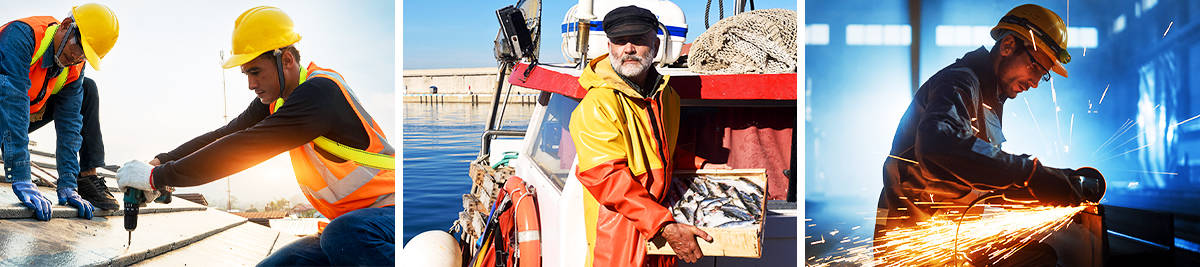
Workplace safety is becoming an increasingly important topic, with greater attention being paid to how accidents occur and why they weren’t prevented. Today, organisations are implementing more checks and balances than ever to create the safest possible environment for all employees. By understanding the root causes of incidents and proactively addressing potential hazards, businesses can protect their workforce while fostering a culture of accountability and care.
While workplace injury rates are not often the first criteria one considers when looking for a new job, different industries present a variety of risks and keeping these in mind is important when thinking about new employment.
For example, workers in an office may experience eyesight deterioration from computer screens or carpal tunnel from extended mouse misuse. Construction workers may face serious risk of injury from machinery or dangerous construction materials, and commercial fishmen run the risk of being swept overboard in rough seas.
Risk assessments need to be carried out in every business to dictate what standards and provisions need to be in place to maintain a safe and healthy work environment.
Why understanding workplace accident risks is important
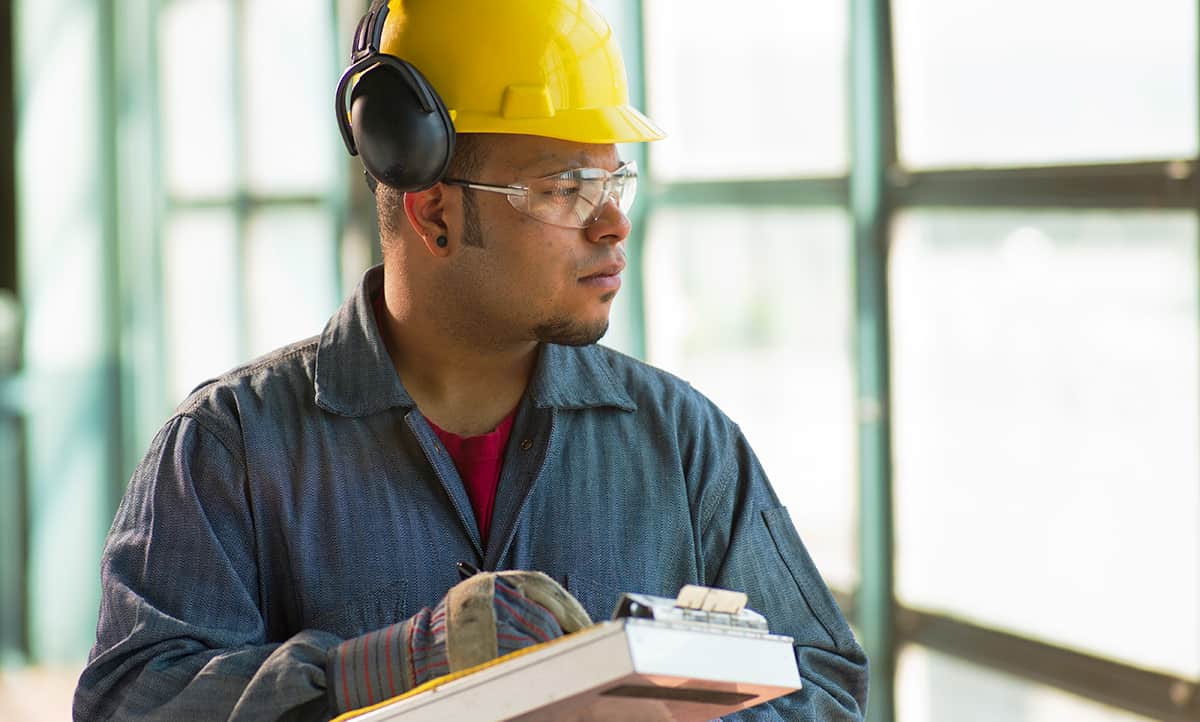
Nearly 200 workers are fatally injured every year in workplace accidents and over a million workers receive non-fatal injuries. Over two million people suffer from illnesses that were directly caused by or made worse by their job.
Preventing accidents and injuries should be the priority in every workplace. Employees are the lifeblood of any business and ensuring their wellbeing is vital for effective operation. Here are five reasons you should emphasize health & safety in your workplace:
1. It's morally right
Employers have a moral obligation to ensure that employees are operating in a safe working environment. It is amoral to put your employees at risk of being injured – employees and employers rely on each other for mutual benefit and employees need a safe environment to operate effectively.2. It increases productivity
Improving working conditions in your business improves morale and allows employees to work uninhibited. Proper training develops a positive organisational culture where safe, healthy and efficient working becomes second nature to your employees.3. Legal obligation
There are laws and regulations in place in the UK to guarantee that all work environments are safe. Breaches of these legal obligations can result in fines, prosecution and in some cases imprisonment of senior management.4. It saves money
Health & Safety training helps you avoid the financial and intangible costs of accidents and workplace injuries. Insurance doesn’t cover all losses – workplace accidents often also result in lost productivity, damaged goods and staff demotivation.5. It's important for the reputation of your business
Ensuring good health & safety practices are observed has intangible benefits your business. Building a positive reputation as an employer is important to employee retention and the overall health of your company.What are the most dangerous jobs in the UK?
Below are ten of the most dangerous jobs in the UK today, primarily due to risks such as falls from height, moving objects, and exposure to hazardous substances. Statistics used in this section have been acquired by the HSE through reported workplace accidents.Agriculture, forestry, and fishing workers
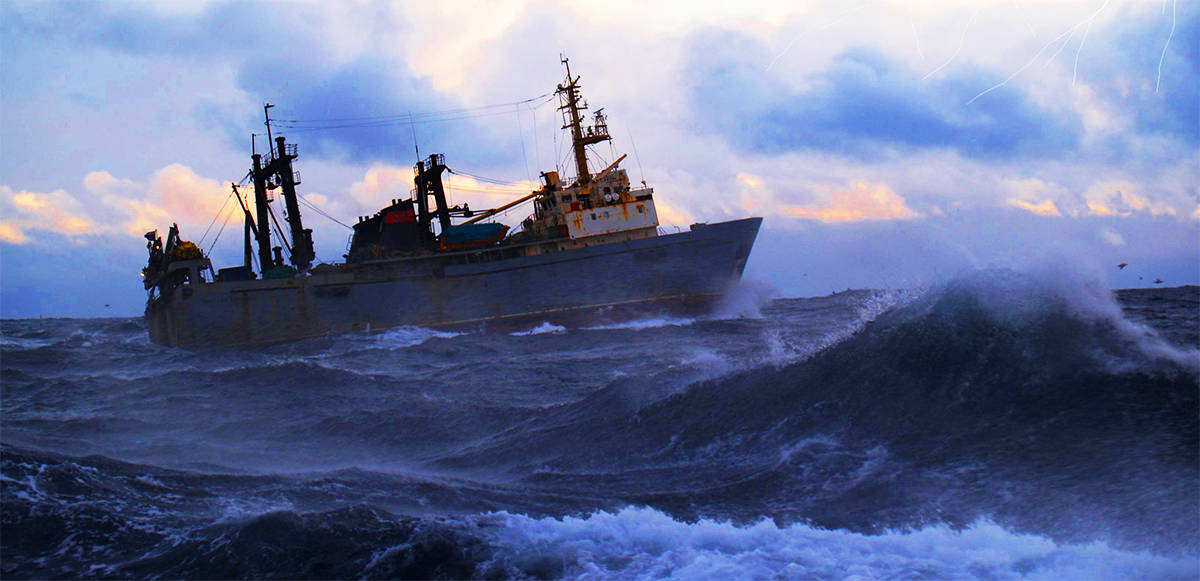
Agricultural work is physically demanding by nature. Combine this fact with difficult terrain, exposure to extreme weather conditions, worker fatigue and potentially dangerous equipment, and it’s no surprise that the agriculture, forestry and fishing industry “continues to have the highest rate of fatal injury per 100,000 workers” with 23 fatal and 8,000 non-fatal reported injuries to workers in 2024/25.
Construction workers
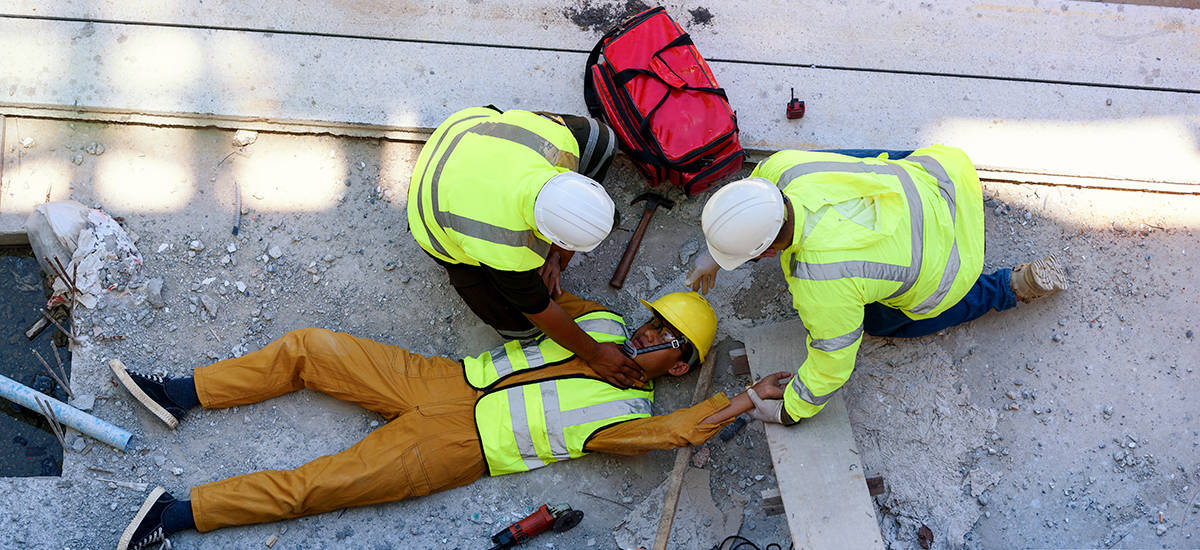
In construction, there were 35 fatal injuries to workers in the 2024/25 reporting period, and an estimated 50,000 non-fatal injuries to workers.
High scaffolding, large machinery, cranes and other essential tools drastically increase the risk of injury on construction sites, making it one of the most high-risk industries to work in in the UK.
Waste and recycling workers
According to HSE data, there were 3 fatal and 4,000 non-fatal workplace injuries to waste and recycling workers in 2024/25. In the last 5 years, 53% of fatal injuries were due to workers being struck by moving vehicles. Other causes of injuries in this field are the dangerous machinery, hazardous substances and sharp objects that workers are exposed to on a daily basis.Roofers and scaffolding professionals
Roofers and scaffolders face a high risk of fatal falls from heights, which is to be expected, but it is crucial for employers to plan for. In addition to the dangers posed by poorly constructed platforms and unstable working conditions, thorough risk assessments and regular safety checks are essential to minimise hazards and protect workers as they carry out their daily tasks.Transport and storage workers (including lorry, delivery drivers, and deckhands)
The transport industry may not immediately seem hazardous in the UK. However, due to long hours on the road, freight handling, heavy lifting, and the risk of vehicle accidents, workers in this sector experience a high number of injuries. In 2024/25 alone there were 15 fatal injuries to workers, alongside 40,000 reported non-fatal injuries.Manufacturing workers
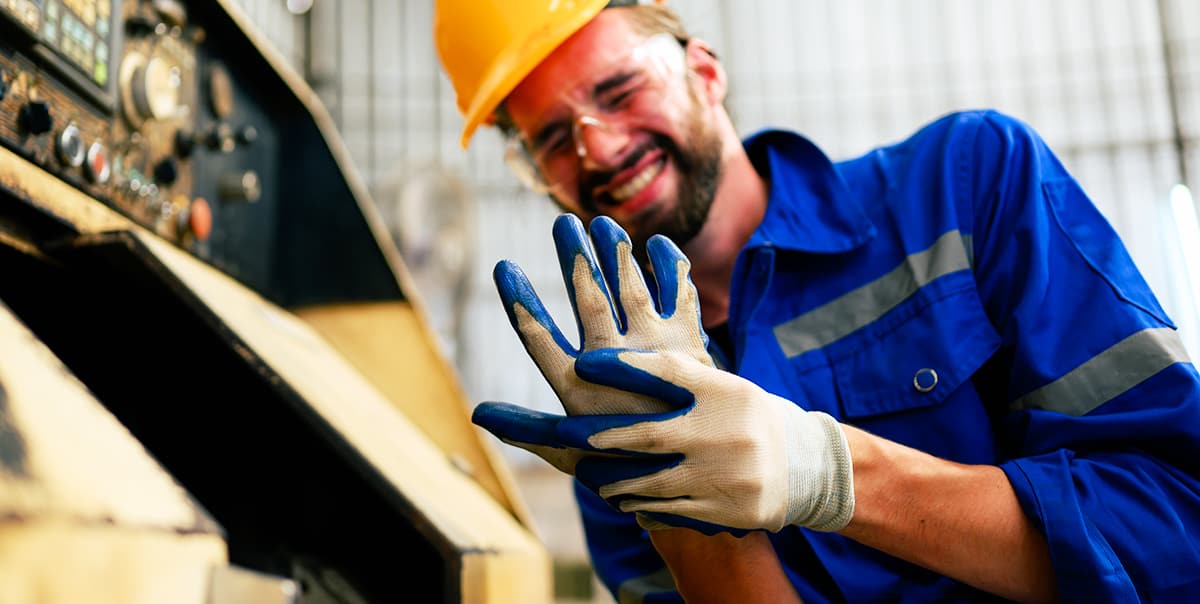
Dangerous chemicals and large machinery used in many manufacturing processes makes this industry risky. Different kinds of manufacturing pose different risks than others. For example, metalworkers need to use large machinery and heat metal to very high temperatures to shape it, and woodworkers need to use sharp saws to carve wood into the desired shapes.
While the majority of these workers enjoy a safe environment, deviation from strict health & safety guidelines often leads to injury in this line of work. This sector continues to carry a higher-than-average risk profile with 11 fatalities in 2024/25.
Care and nursing workers, healthcare sector
Workers in the healthcare sector aren’t just affected by physical ailments resulting from physical aggression, musculoskeletal injuries from patient handling and exposure to infectious diseases. There is also a mental toll that can affect these staff from things like shift fatigue and potential loss.Emergency services (firefighters, paramedics, police)
First responders are always going to have a high-risk job role, they are running towards danger when others run away from it. Depending on the branch of the emergency services that they work in, staff can face fire, violence, hazardous substances and vehicular accidents all of which can result in grave bodily harm. It is also important to note that in this sector there is a mental toll that is taken on workers as well given the sights they may have to witness.Warehouse and forklift operators
Warehouses can be dangerous workplaces, particularly for those working around a forklift. There are numerous hazards, the most common being falling objects, however there is also a risk of injuries due to forklift accidents, poor visibility and repetitive incorrect heavy lifting, which is why it is so important to have the correct level of training for warehouse employees.Mining workers
Mining workers have also had a high-risk profession, there have been numerous high-profile incidents which have resulted in mass loss of life which is why it is so important for employers to take safety measures seriously and ensure that staff are briefed on how to react in emergency situations.Potential safety concerns in this industry include potential cave-ins, toxic gas exposure, working in confined spaces and handling explosives. Knowing how to handle all of these situations safely and eliminate unnecessary risks is imperative.
What are the most common causes of workplace accidents?
Over the years the number of workplace related injuries has significantly decreased leading HSE Chief Executive Sarah Albon to say,“Great Britain remains one of the safest places in the world to work, but we must remember that behind each statistic is a life lost, and families forever changed. While the long-term trend is encouraging, we cannot afford complacency.” (source)
Regardless of the number decreasing, it is important that workplaces still remain vigilant and consider the risks that their workers may face, particularly if they are unavoidable. After all, some of the most common causes of accidents are the same regardless of which industry you are working in and have remained one of the most common for years.
The 5 most common causes of non-fatal workplace accidents include:
- Slips, trips and falls
- Handling, lifting or carrying heavy items
- Struck by a moving object
- Acts of violence
- Falls from height
The 5 most common causes of fatal workplace accidents are:
- Falls from a height
- Struck by a moving object
- Trapped by something collapsing or overturning
- Struck by a moving vehicle
- Contact with moving machinery
How to reduce risk in the UK’s most dangerous industries
There are several ways that employers can reduce the risk to their employees, even if their industry isn’t considered one of the UK’s most dangerous. Having measures in place will build a culture of safety and ensure that workers are comfortable and confident even when emergencies arise.PPE
Personal Protective Equipment (PPE) is designed to safeguard the parts of the body that are most at risk during a task. For example, goggles or safety glasses protect the eyes from debris and sparks, while properly selected gloves help prevent puncture wounds and other hand injuries.Training
Providing appropriate training for staff, whether they work on-site or at remote locations, is essential. Employees must understand proper manual handling techniques to reduce the risk of injuries caused by incorrect movements. In addition, at least one team member should be trained in first aid to ensure a prompt and effective response in emergency situations where time is critical.Hazard Awareness
Identifying hazards is a crucial step in any risk assessment, and it is a legal requirement across all workplaces, especially in high-risk industries. By proactively recognising the dangers present in a given environment, employers can develop effective strategies to minimise or eliminate risks before incidents occur. This not only supports compliance but also strengthens overall safety culture within the organisation.Reporting Procedures
Under the Reporting of Injuries, Diseases and Dangerous Occurrences Regulations (RIDDOR), all qualifying workplace accidents, near misses, and occupational illnesses must be formally reported, with detailed records kept by the employer. These reports enable the Health and Safety Executive (HSE) or the local authority to monitor compliance with health and safety legislation and identify emerging risks within high-risk sectors.Accurate reporting is not just a legal obligation, it is a valuable tool for improving workplace safety. By analysing incident data, organisations can spot patterns, address root causes, and implement targeted measures to prevent similar occurrences in the future. This transparency ultimately supports a stronger safety culture and helps reduce the likelihood of serious incidents.
Official guidance on managing workplace safety
According to the Management of Health and Safety at Work Regulations 1999, workplaces must at a minimum:- Identify what could cause injury or illness in the business
- Decide how likely it is that someone could be harmed and how seriously
- Take action to eliminate the hazard, or if this isn't possible, control the risk
Other legislation that has an influence on managing workplace safety include:
- The Health and Safety at Work etc. Act 1974 which outlines the general duties for employers to provide “adequate and appropriate” measures in place.
- The Workplace (Health, Safety and Welfare) Regulations 1992 which covers basic health and safety measures.
- RIDDOR sets out the legal requirement to report workplace accidents so that organisations can review incidents and strengthen future safety practices.
Protecting workers in the UK’s most dangerous industries
Ensuring your workplace has received the proper health & safety training and employs the correct RIDDOR procedures is paramount to smooth operations. Health & safety training should be supplanted with adequate first aid provisions, capable of meeting your business’s needs as dictated by a risk assessment.Helpful Resources
- Accident Reporting in the Workplace: Procedures and Forms
- Safety and First Aid Signs and Posters for the Workplace
- What First Aid Requirements do Workplaces Need to Meet?
- What First Aid Kit Do I Need For My Workplace?
- Workplace Automated External Defibrillator (AED): Cardiac Arrest
- What is RIDDOR and What Does it Cover?
Read our other blogs for more information on first aid or contact us for further advice and information on our products.
About the author:
Jo Stokes is a writer, marketer and trained first aider at First Aid Online.
Find out more about Jo.
By Jo Stokes
Explore more: Workplace first aid & safety