

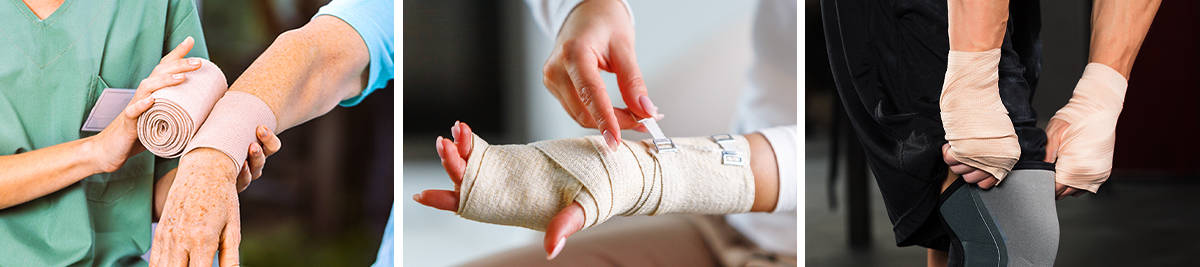
Bandages are one of the most integral inclusions in any first aid kit and serve multiple uses in first aid – they come in various types, each with different benefits.
What is a crepe bandage?
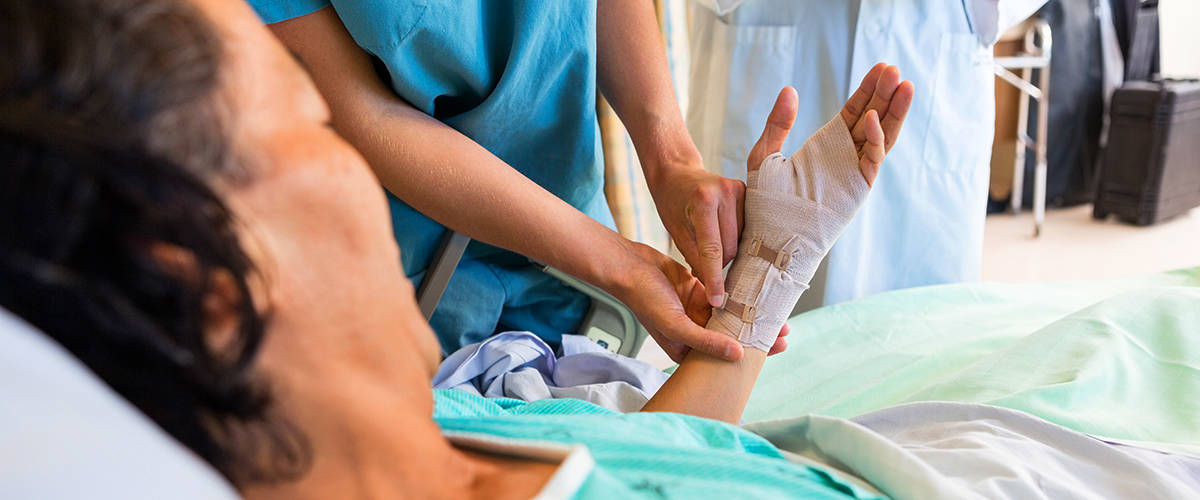
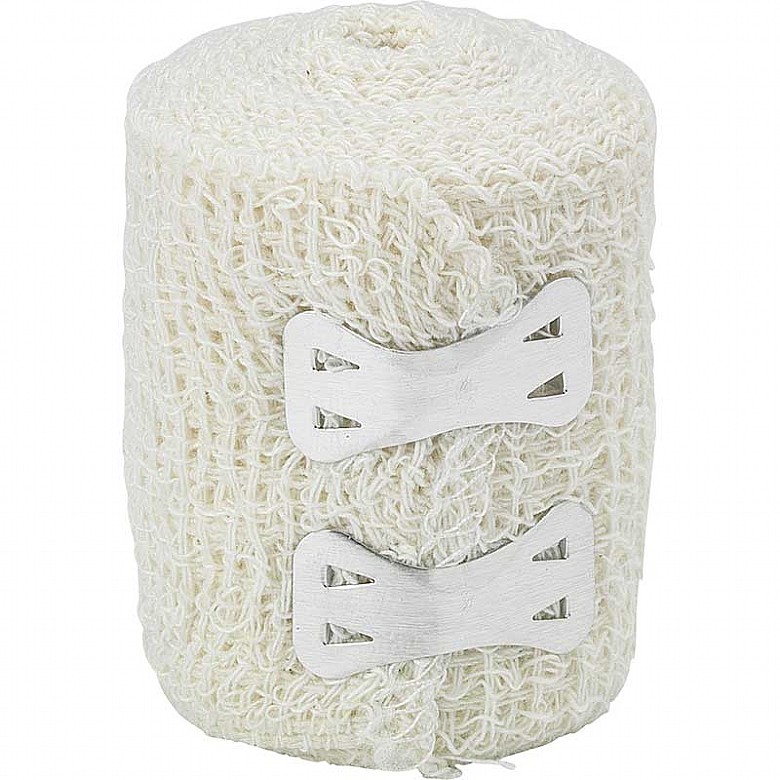
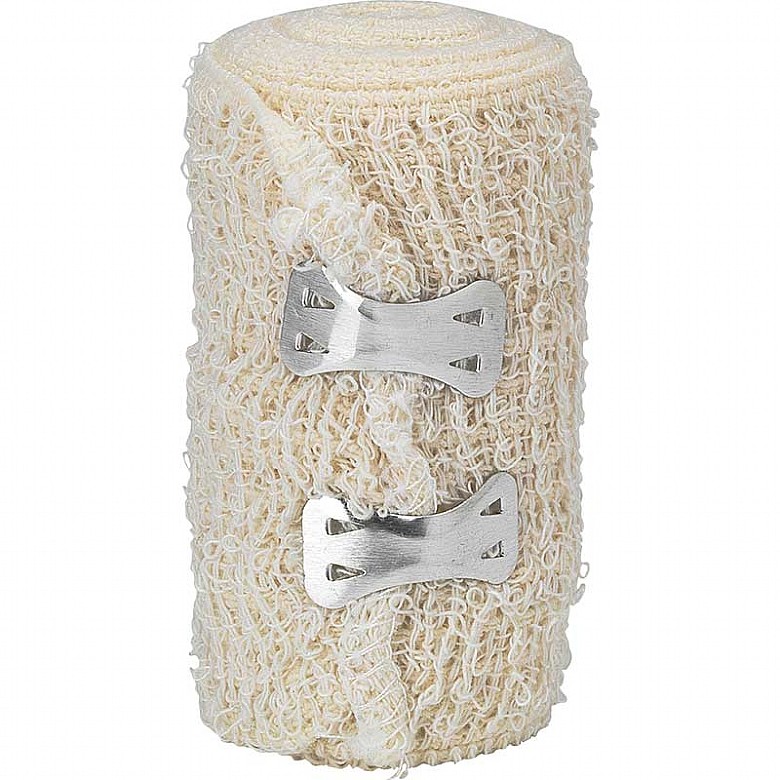
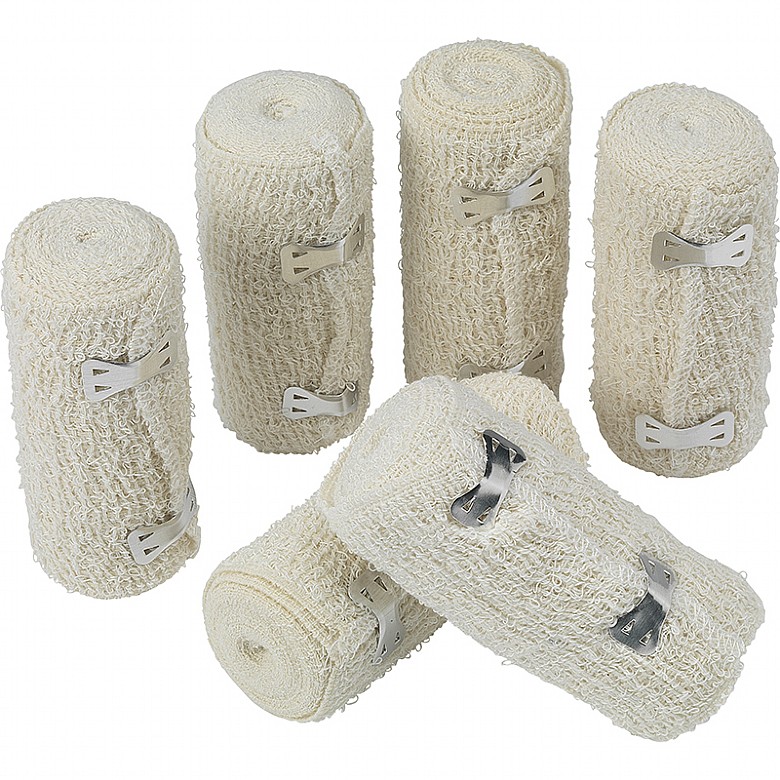
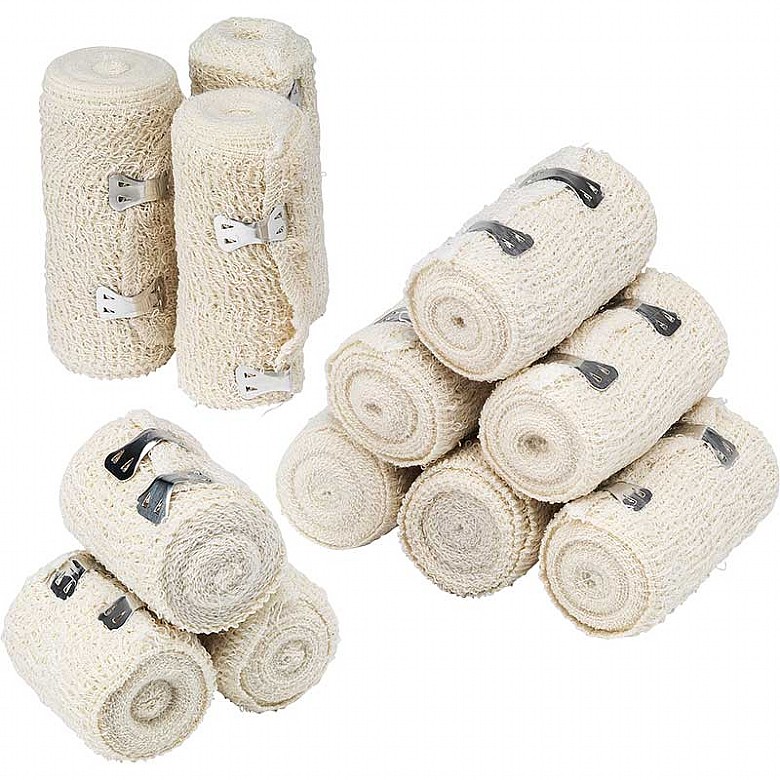
Crepe bandages are woven, elasticated bandages usually made of cotton. They can be used to provide compression to injuries as recommended by the PRICE method of treatment while still allowing a full range of joint and muscle movement. Their cotton construction means they can be washed and reused, allowing the skin underneath them to breathe. Due to their compressive qualities, they are also often used for dressing retention.
What is a crepe bandage used for?
While crepe bandages are extremely versatile, they still should only be used in the following cases:To provide support during sports or rehabilitation
Crepe bandages can be used to compress joints or muscles during physical rehabilitation or high-impact sports like track and field or boxing. When wrapped around stressed body areas, crepe bandages can help prevent strains and sprains from occurring.To reduce the swelling of injuries
Crepe bandages are also used by medical professionals to provide light compression to joint injuries. Their elasticity allows them to be stretched and wrapped firmly around a swollen joint while maintaining blood flow to the rest of the limb – this helps to reduce swelling.To cover other dressings placed over an injury
The texture of crepe bandages makes them ideal for wrapping around wound dressings to protect them and secure them in place. This is why crepe bandages are usually found inside first aid kits.How to use a crepe bandage correctly
While using a crepe bandage is similar to applying other types of bandages, the size of the bandage should vary depending on the injured area. Using a bandage that’s too narrow for the body part, such as wrapping a knee with a bandage meant for a wrist, can make the wrap too tight. This often restricts your range of motion and decreases the bandage’s ability to breathe.As a general rule:
- 5cm crepe bandages are ideal for children’s arms or legs.
- 7.5cm wide crepe bandages (approximately) are suitable for adult arms and legs.
- A 10cm bandage can be used in similar locations to the 7.5cm bandages including the shoulders and knees.
- For chest and thigh injuries the best length to use would be roughly 15cm.
1. Start below the injury
When wrapping a wound using a crepe bandage it is best to start below the wound, the point furthest away from the heart. This is to encourage blood flow and to reduce swelling around the site of injury.2. Keep the bandage flat and smooth
When wrapping the bandage upwards, ensure it is flat and smooth to reduce the risk of it rubbing against the injury as well as providing the highest level of support possible. Each layer should overlap the previous one by approximately a third to keep the wrapping tight and provide a protective barrier for the area.3. Apply with firm (but not tight) tension for compression
It is important not to cut off circulation when using crepe bandages, however, to provide compression there should be a high level of tension. Hold the bandage taut as you wrap it around the limb, this will also help in keeping it flat and smooth throughout the process.Once applied, you can check there is still a good level of circulation by pressing on an extremity or part of the limb below the injury, such as the finger or toe and monitor how long it takes for the area to regain normal colouring.
Crepe wound dressing applications
Crepe bandages aren’t just used for supporting soft tissues injuries via compression, they can also be used for wound dressing.Protecting wound dressing
Wound dressings are used to provide protection to an injury and ensure that it doesn’t become infected. A crepe bandage can be used to add further protection to the wound, ensuring that even if the dressing were to become dislodged there will be a lower risk of infection and further damage to the site of injury.Securing pads
Non-adhesive wound dressings or pads will require a bandage to hold them in place over the wound. Crepe bandages are able to do this, when applied correctly starting below the pad and spiralling over the area firmly. The bandage can the either be tied off or secured in place using a grip or safety pin, but make sure that however this happens the tension in the bandage isn’t lost.Reducing bleeding
By applying pressure to a wound, the bleeding with slow down and eventually stop. When you are unable to consistently provide this pressure using your hands, having a bandage that can be wrapped in place will do the job.Comparing crepe bandages vs. other dressings
Crepe bandages are similar in many ways to elastic bandages and other compression bandages. However their composition and level of support can vary, so the bandage that is right for you will depend on the situation.Crepe bandages are commonly used in household first aid to provide light support and compression to soft tissue injuries or to hold non-adhesive wound dressings in place. While other compression bandages, such as tubular or elastic bandages will offer a higher level of compression and are more suited to rehabilitation after an injury.
| Crepe Bandages | Elastic Bandages |
| Provide medium to light compression support | Provide a firm to high level of compression |
| Typically made of woven cotton | Typically made of various stretchy and elastic materials, commonly a blend of materials |
| Ideal for sprains, strains and dressing wounds | Ideal for moderate to severe injuries, supporting joints and rehabilitation |
| Need safety pins or clips to be secured | Have adhesive for securing them |
More information on the differences between crepe bandages and other compression bandages can be found here. Or, if you are looking at bandages in general, there is more information on the various types of bandages in this blog post.
When not to use crepe bandages
While a crepe bandage is a versatile first aid supply, there are several situations in which they should not be used, including:- At night – the level of compression needed on an injury will differ depending on the level of activity your body is carrying out. During the day there is a higher level of activity resulting in a consistent level of blood flow, however at night this drops, meaning that a crepe bandage could end up restricting circulation while you sleep.
- If blood flow is restricted – If your fingers or toes (or any other part of the body below the bandage) starts to lose colour and feeling, or you start experiencing “pins and needles”, the crepe bandage should be loosened or removed immediately. These are symptoms that blood flow to these areas is being restricted and can result in severe damage if left in that condition.
- People with venous diseases – for those suffering from venous diseases, such as chronic venous deficiency, a crepe bandage is not the recommended bandage for compression. They do not help venous return or have any beneficial effect on the underlying pathology and can actually make the situation worse.
- If the pain or swelling worsens – If, instead of getting better, the injury gets progressively worse through swelling and pain, stop using the bandage and seek medical help immediately.
How do crepe bandages work?
How long should you wear a crepe bandage?
Crepe bandages can be used for extended periods as they don’t limit movement or blood flow. You should continue to use a crepe bandage for as long as you need to until an injury is healed. It’s still recommended to remove a crepe bandage while sleeping, to ensure your circulation is not affected overnight.Everyday value of crepe bandages
Crepe bandages are an essential and versatile addition to any first aid kit, whether for use in sports, at work, or at home. They provide effective light compression and support for soft tissue injuries such as sprains and strains and can also secure non-adhesive dressings over wounds.Understanding the appropriate width for different body areas and mastering correct application techniques come with proper training and practice. Completing accredited first aid training ensures you can apply crepe bandages safely and effectively, maintaining the right level of pressure without restricting circulation.
Read our other blogs for more information on first aid or contact us for further advice and information on our products.
About the author:
Jo Stokes is a writer, marketer and trained first aider at First Aid Online.
Find out more about Jo.
By Jo Stokes